

How Secure are Voice Assistants?
 A study published by researchers at the University of Michigan in 2019 showed that voice assistants could be hacked. The study, conducted in collaboration with the University of Electro-Communications in Tokyo showed voice assistants could be hacked via lasers.
Oddly, microphones were shown to interpret the light signals as voice commands which theoretically left them vulnerable to attacks. You may be thinking that using a laser to talk to a smart speaker is far-fetched. However, it points out that all technology comes with some level of risk, and that we must weigh the added convenience of new technology against any potential risk. Sometimes the added convenience is worth the risk and sometimes added precaution is in order. Let’s look at some of the risks and precautions.
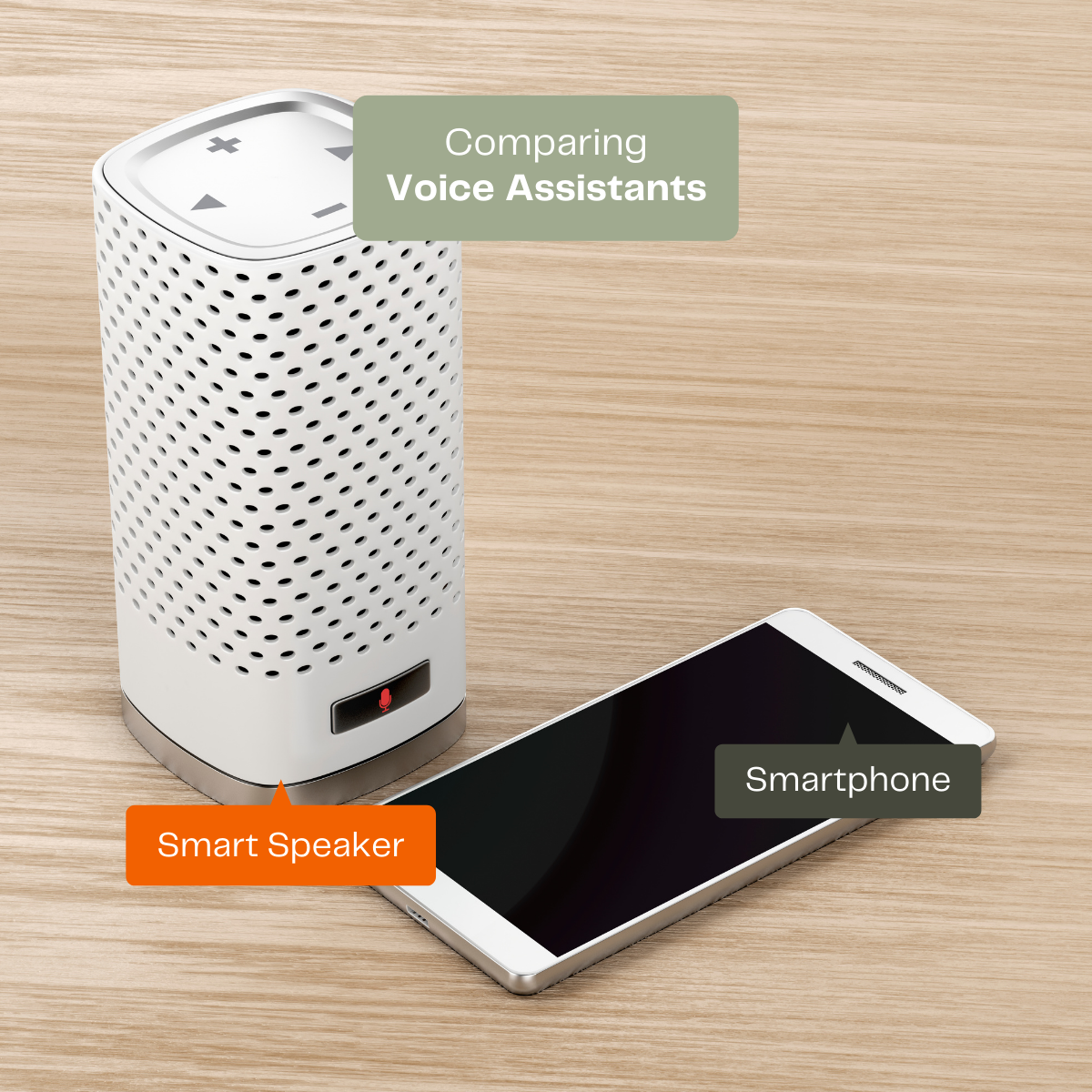 Voice assistants are becoming the norm. According to Statista.com, the number of digital voice assistants in the wild will rise to
 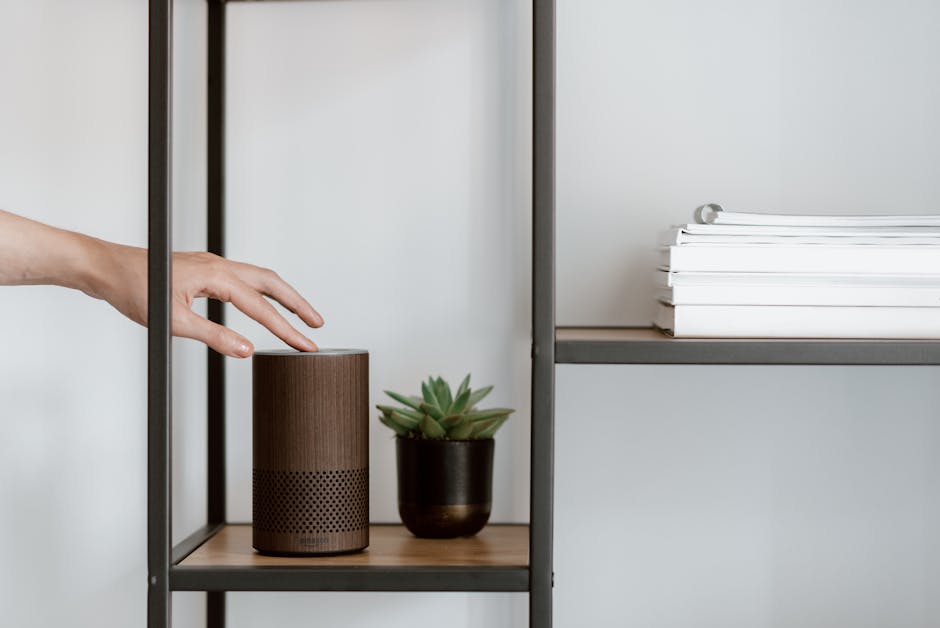 The initial capabilities of Voice Assistants were developed “in-house”, by Amazon, Google, Apple, and other Voice Assistant creators. However, many new abilities are being added by brand owners building Voice Apps. Anyone can use these Voice Apps, just by saying the name of the Voice App, sometimes referred to as an Invocation Name or Verbal Domain Name. And, as you might imagine, naming these Voice Apps is causing a problem for brands. Let’s look at why a brand should secure its Invocation Name ASAP.
 Both Amazon and Google have recently improved how their Voice Assistants sound. Amazon added additional reading styles and Google added two new English voices. You can read about the improvements that Amazon made in a previous blog post titled “
 According to a Google